
Phishing is one of the most common and effective cyberattacks used by criminals to steal sensitive information, compromise accounts, and spread malware. This course introduces the fundamentals of phishing, including how phishing attacks work, common tactics used by attackers, and the warning signs that can help you identify suspicious emails, messages, and websites.
Participants will learn how to recognize phishing attempts, respond appropriately to potential threats, and apply best practices to protect personal and organizational information. This training is designed for employees, educators, administrators, and anyone who uses email or online services as part of their daily activities.
Email phishing remains one of the most common and successful cyberattack methods used by criminals to steal sensitive information, compromise accounts, distribute malware, and commit financial fraud. Attackers often disguise malicious emails as legitimate communications from trusted organizations, colleagues, vendors, or service providers.
In this course, participants will learn how email phishing attacks work, the tactics cybercriminals use to deceive recipients, and the warning signs that can help identify suspicious messages. Topics include recognizing fraudulent links and attachments, identifying spoofed email addresses, understanding urgent or emotional manipulation techniques, and safely responding to potential phishing attempts.
By the end of this training, learners will be better prepared to recognize, avoid, and report phishing emails, helping protect themselves, their organization, and sensitive information from cyber threats.
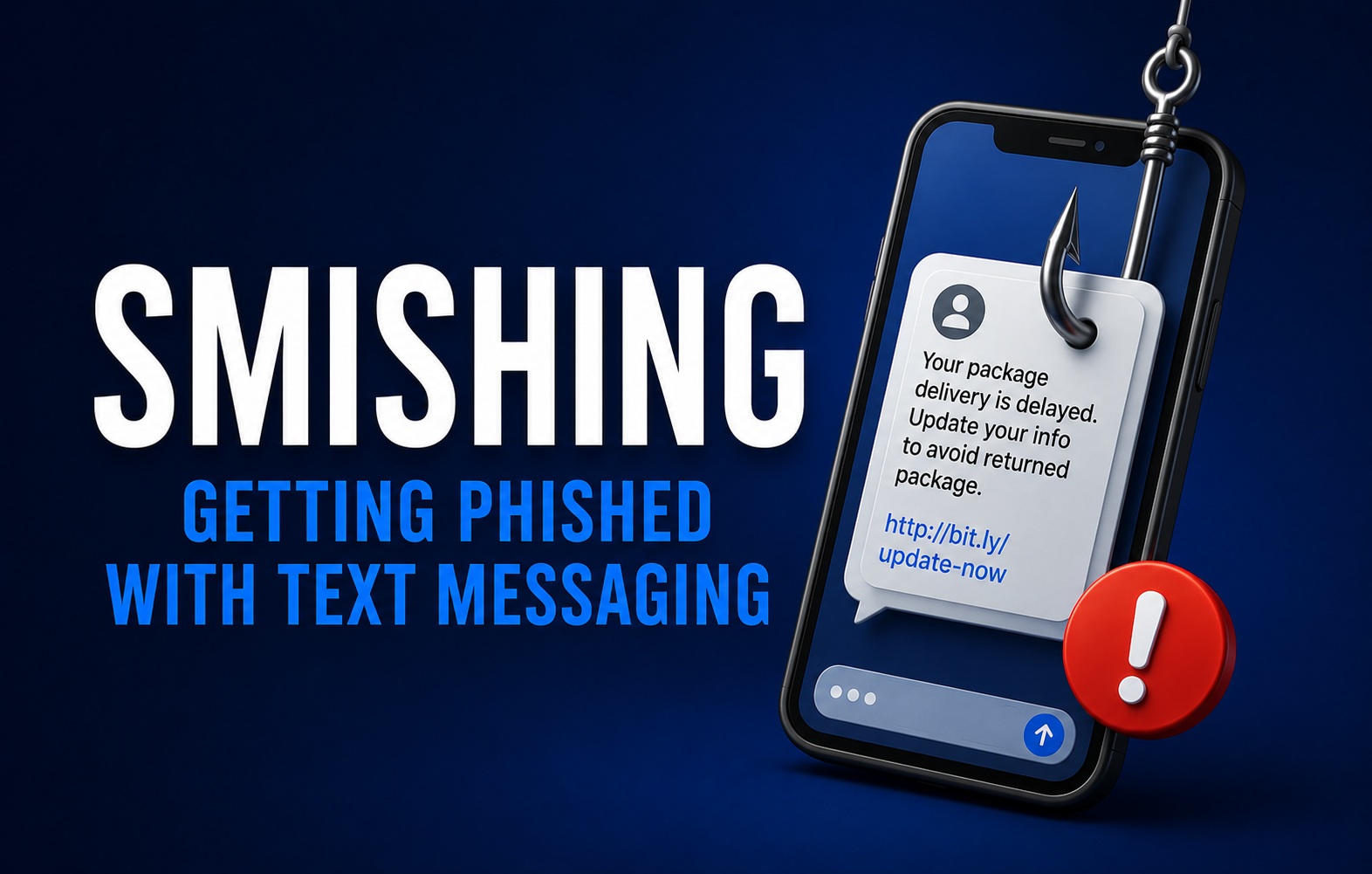
Smishing, or SMS phishing, is a cyberattack that uses text messages to trick individuals into revealing sensitive information, clicking malicious links, downloading malware, or taking actions that benefit cybercriminals. Because text messages are often viewed as more trustworthy and urgent than emails, smishing attacks can be highly effective.
In this course, participants will learn how smishing attacks work, common tactics used by attackers, and the warning signs that can help identify fraudulent text messages. Topics include suspicious links, fake delivery notifications, account verification scams, financial fraud attempts, and impersonation of trusted organizations.
By understanding how smishing attacks operate and following proven security practices, learners will be better equipped to recognize, avoid, and report malicious text messages, helping protect both personal and organizational information from cyber threats.
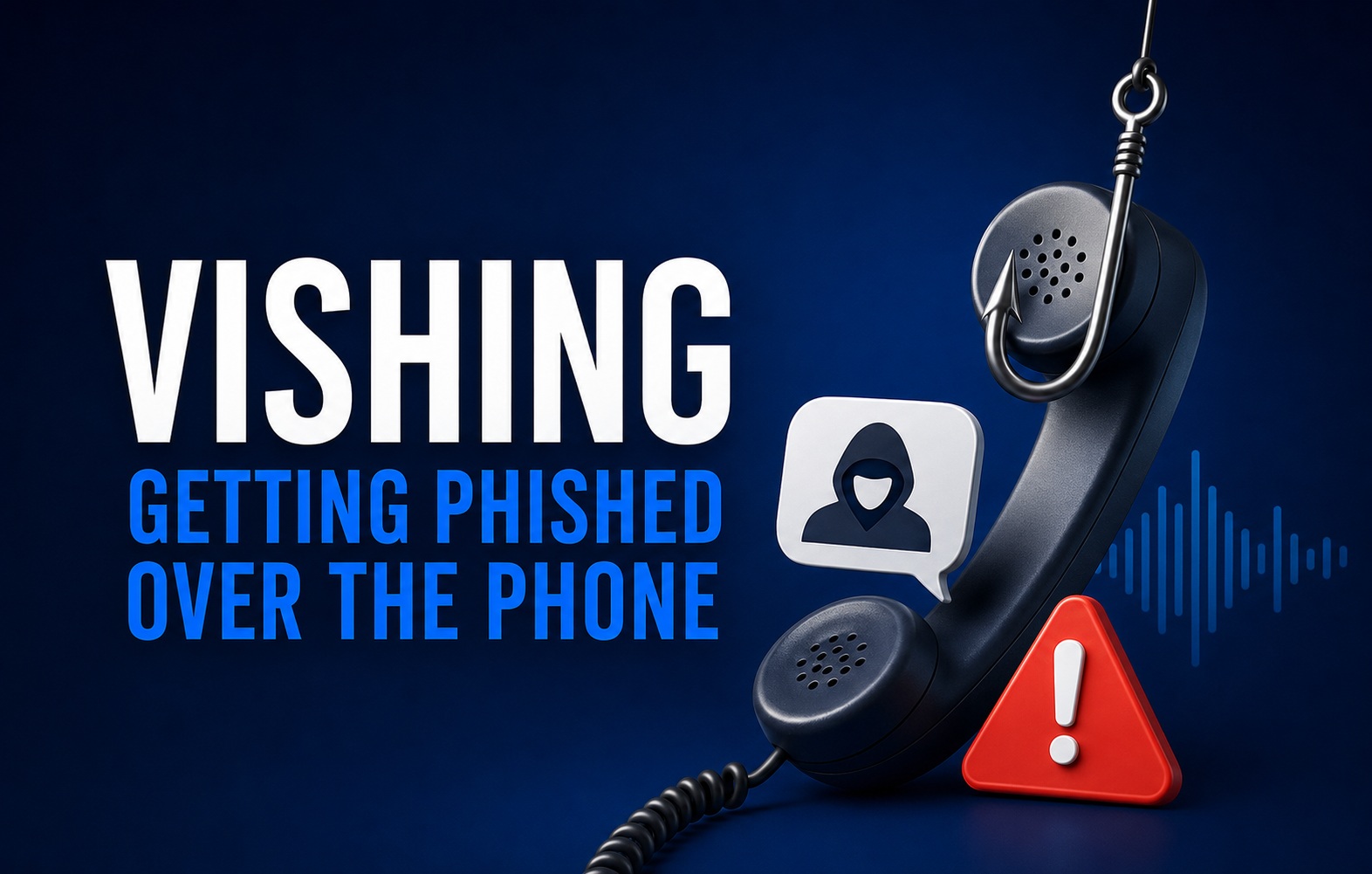
Vishing, or voice phishing, is a form of social engineering in which cybercriminals use phone calls or voice messages to deceive individuals into revealing sensitive information, transferring money, providing account credentials, or granting access to systems and devices. Attackers often impersonate trusted organizations such as banks, government agencies, technology support teams, or company executives to gain the victim's trust.
In this course, participants will learn how vishing attacks work, common tactics used by scammers, and the warning signs that can help identify fraudulent phone calls. Topics include caller ID spoofing, impersonation scams, urgent requests for information, fake technical support calls, and financial fraud schemes.
By understanding how vishing attacks are conducted and learning how to verify requests before taking action, learners will be better prepared to recognize, avoid, and report suspicious phone calls. These skills help protect both personal and organizational information from increasingly sophisticated social engineering attacks.
Social media platforms have become an essential part of daily communication, networking, and information sharing. Unfortunately, cybercriminals increasingly use these platforms to conduct phishing attacks designed to steal personal information, compromise accounts, spread malware, and commit financial fraud.
In this course, participants will learn how social media phishing attacks work and the techniques attackers use to exploit trust, curiosity, and urgency. Topics include fake profiles, fraudulent messages, malicious links, impersonation scams, giveaway and prize scams, and other common tactics used on popular social media platforms.
Learners will discover how to recognize warning signs, protect personal and professional information, secure social media accounts, and respond appropriately to suspicious messages and requests. By applying these best practices, participants can reduce their risk of becoming victims of social media phishing and help create a safer online environment for themselves and their organizations.
Social media platforms offer valuable opportunities for communication, collaboration, networking, and information sharing. However, careless use of social media can expose individuals and organizations to cybersecurity risks, privacy concerns, reputational damage, and social engineering attacks.
This course explores best practices for using social media responsibly and securely in both personal and professional settings. Participants will learn how to protect personal information, manage privacy settings, recognize social engineering tactics, avoid oversharing sensitive information, and maintain a positive digital presence.
By understanding the risks associated with social media and adopting safe online habits, learners can help safeguard themselves, their colleagues, and their organizations from cyber threats while using social media confidently and responsibly.
Phishing attacks continue to be one of the leading causes of data breaches, account compromises, and financial fraud. This course teaches practical strategies for recognizing and avoiding phishing attempts across email, text messages, social media, and other digital communication platforms.
Participants will learn how to identify common phishing indicators, verify the legitimacy of messages, safely handle links and attachments, and report suspicious activity. The course also covers the importance of strong passwords, Multi-Factor Authentication (MFA), and maintaining a security-conscious mindset when interacting online.
By following these best practices, learners will be better equipped to protect themselves, their organization, and sensitive information from phishing attacks.
Cybercriminals increasingly use social media platforms to gather information, build trust, and manipulate individuals into revealing sensitive information or taking actions that compromise security. Through techniques such as impersonation, phishing, pretexting, and other forms of social engineering, attackers can exploit information shared online to target both individuals and organizations.
This course examines the relationship between social engineering and social media security, highlighting how attackers use publicly available information to conduct targeted attacks. Participants will learn how to recognize common social engineering tactics, protect personal and organizational information, identify suspicious online behavior, and maintain a secure social media presence.
By understanding how cybercriminals leverage social media as an attack vector, learners will be better equipped to safeguard their identities, protect sensitive information, and reduce the risk of becoming victims of social engineering attacks.
Cybersecurity situational awareness is the ability to recognize, understand, and respond to potential security threats before they result in a compromise. In today's digital environment, cyber threats can emerge through email, websites, social media, mobile devices, phone calls, and everyday workplace activities. Maintaining awareness of these threats is one of the most effective ways to reduce cybersecurity risk.
This course introduces the principles of cybersecurity situational awareness and teaches participants how to identify suspicious activity, recognize common attack techniques, and make informed security decisions. Topics include phishing and social engineering, safe internet practices, password security, data protection, mobile device security, and reporting potential security incidents.
By developing strong cybersecurity awareness skills, learners can become an important part of their organization's defense strategy, helping to prevent cyberattacks and protect sensitive information from unauthorized access
Cybersecurity situational awareness is the practice of staying alert to potential cyber threats and understanding how everyday actions can impact the security of information systems and data. Whether at work, school, or home, individuals are often the first line of defense against cyberattacks. Recognizing suspicious activity and responding appropriately can help prevent security incidents before they occur.
This course provides an overview of cybersecurity situational awareness and teaches participants how to identify common threats such as phishing, social engineering, malware, suspicious websites, and unauthorized access attempts. Learners will explore practical strategies for maintaining awareness, protecting sensitive information, and making security-conscious decisions in their daily activities.
By developing a proactive security mindset, participants can help reduce organizational risk, strengthen cybersecurity defenses, and contribute to a culture of security awareness and resilience.
This course examines the 2020 cyberattack against the Clark County School District, one of the largest school districts in the United States. Participants will learn how ransomware and data theft affected district operations, exposed sensitive information, and highlighted the importance of cybersecurity awareness. The course reviews the attack timeline, impact, and key lessons learned, including phishing prevention, multi-factor authentication, security monitoring, incident response planning, and data protection best practices. Ideal for educators, administrators, and staff seeking to better understand modern cyber threats and organizational cybersecurity responsibilities.

This case study examines the 2020 Manor Independent School District (Texas) spear phishing incident that resulted in approximately $2.3 million in financial losses. Learners will explore how cybercriminals used a Business Email Compromise (BEC) scam and social engineering techniques to deceive employees into redirecting legitimate vendor payments to fraudulent accounts. The course reviews the timeline of the attack, its financial impact, the subsequent investigation, and the key lessons learned. Participants will gain practical knowledge on recognizing phishing attempts, verifying financial requests, implementing strong internal controls, and reducing the risk of similar attacks within their own organizations.
Estimated Completion Time: 10–15 minutes.
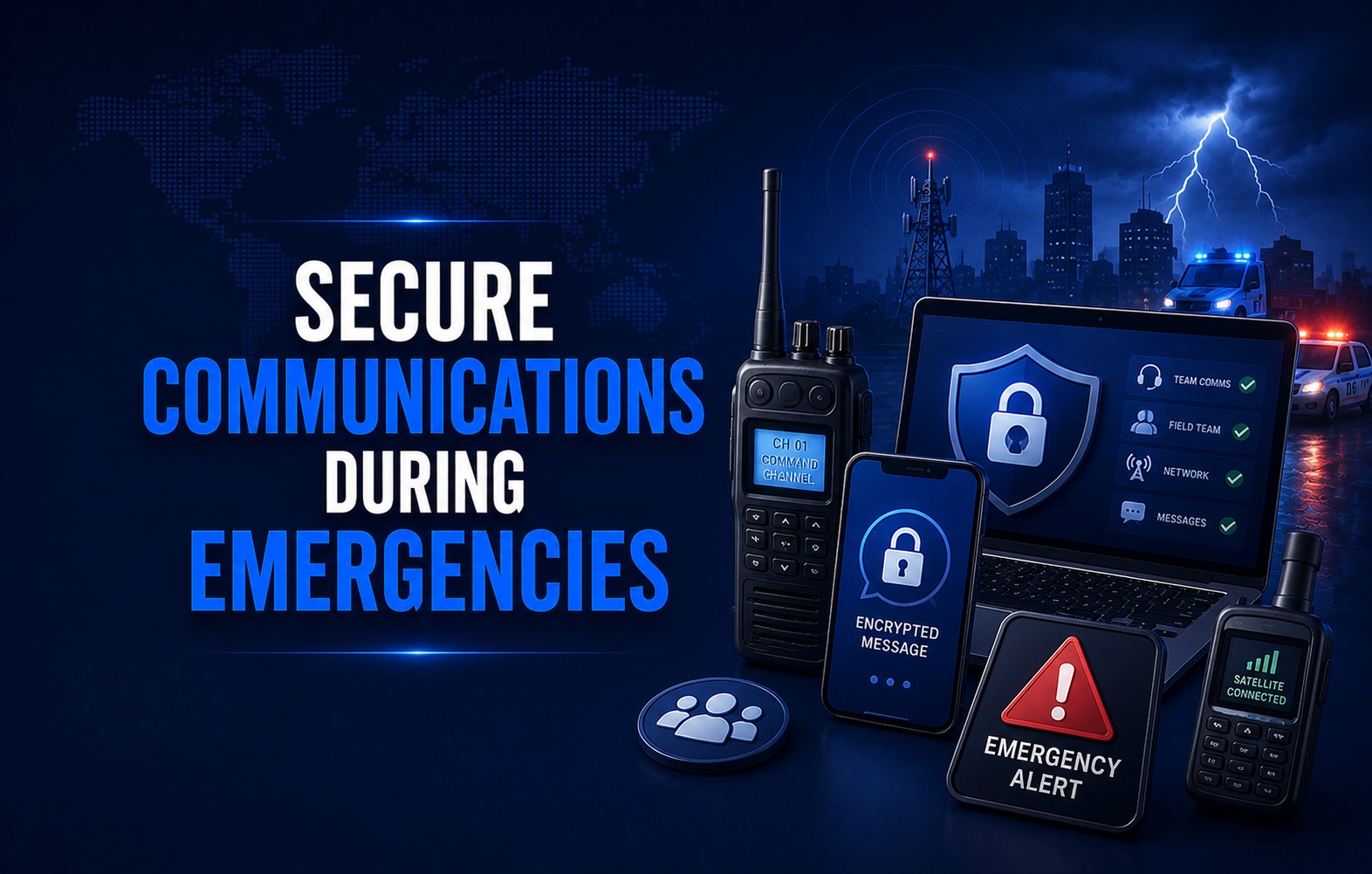
Effective communication is essential during emergencies, but it must also be secure. This course provides an overview of secure communication practices, tools, and strategies that help organizations share critical information while protecting sensitive data. Participants will learn how to identify communication risks, select appropriate communication methods, and apply best practices to ensure reliable information exchange during crisis situations. This training is ideal for educators, administrators, and staff who play a role in emergency preparedness and response.
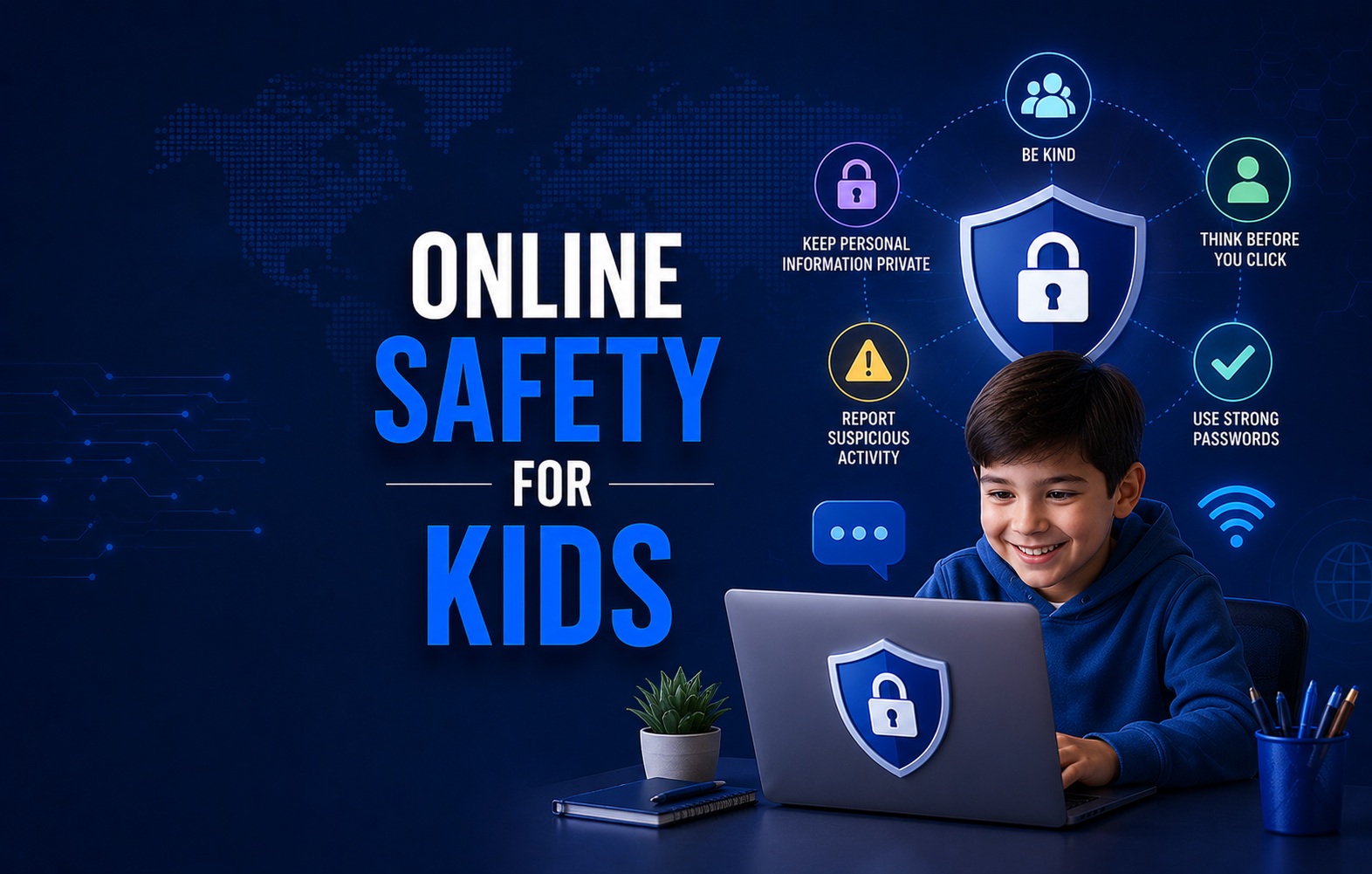
Children are spending more time online than ever before for learning, entertainment, gaming, and social interaction. While the internet offers many opportunities, it also presents risks that can impact a child’s safety, privacy, and well-being.
This course explores common online threats facing children, including cyberbullying, inappropriate content, online predators, phishing scams, privacy concerns, and excessive screen time. Participants will learn practical strategies for promoting safe internet use, supporting responsible social media habits, and helping children respond appropriately to online risks.
Designed for parents, educators, school staff, and caregivers, this training provides actionable guidance for creating a safer and more positive digital environment for children both at home and in the classroom.

Cyberattacks continue to pose a significant threat to colleges and universities, often disrupting operations and placing sensitive information at risk. This case study examines the 2026 ransomware incident involving the Community College of Beaver County (CCBC), highlighting the attack's impact, the response actions taken, recovery efforts, and key lessons learned.
Participants will gain insight into how ransomware attacks affect higher education institutions and explore the importance of cybersecurity awareness, incident response planning, Multi-Factor Authentication (MFA), data backups, and continuous monitoring. Through this real-world example, learners will better understand how preparation and resilience can help organizations reduce risk and recover more effectively from cybersecurity incidents.
This training is ideal for faculty, staff, administrators, and anyone interested in strengthening cybersecurity awareness within higher education environments.
